Why Every SEO Hub Requirements a Low-Latency Fixing Method
High-Capacity Automation Environments in 2026
The technical requirements for running high-volume SEO software have actually changed considerably by 2026. Automated link building, especially when using tools like GSA Online search engine Ranker (SER), now demands more than just a basic virtual private server. The increased intricacy of online search engine filters and the greater resource intake of contemporary scraping approaches mean that a standard desktop setup typically fails. Professional operators now prioritize devoted Windows environments that supply isolated resources and solidified security protocols to ensure uptime and performance.
Counting on local hardware for 24/7 operations has ended up being less practical. Power costs, hardware wear, and residential bandwidth constraints produce bottlenecks that impede the ability to scale. Instead, moving these operations to a remote data center enables consistent speeds and 99.9% accessibility. This shift is not just about convenience. In the existing 2026 market, the competitors for top quality positionings needs a level of speed and stability that just a server-grade environment can use.
Hardware Seclusion and Committed Resource Allocation
Shared hosting environments often struggle with "noisy next-door neighbor" syndrome, where one user's high CPU usage effects everyone else on the physical rack. For a tool like GSA SER, which can run numerous simultaneous threads, this variability is an efficiency killer. Using devoted resources ensures that the CPU cycles and RAM allocated to the instance are always readily available. This is specifically crucial when the software application is performing real-time site recognition and content spinning, jobs that are notoriously memory-intensive.
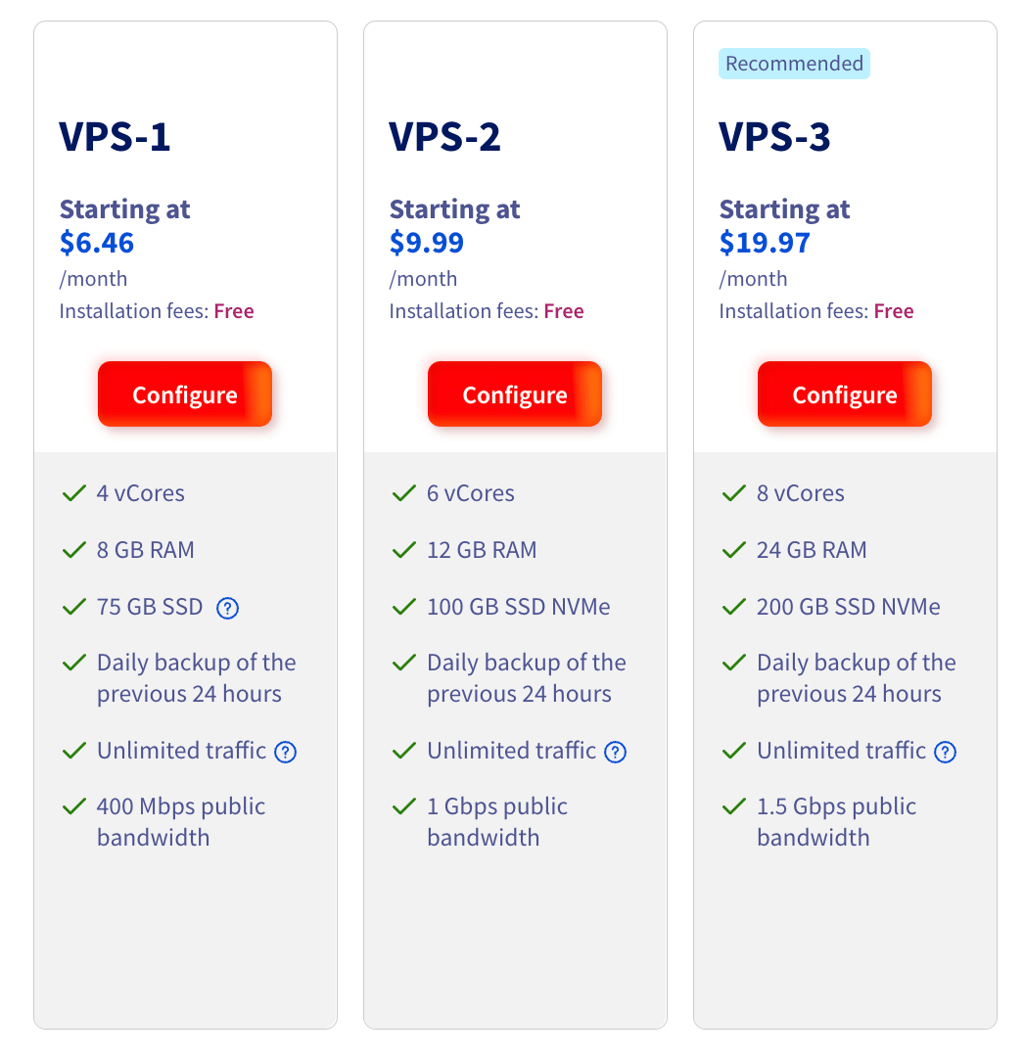
Success in Asia Virtual Solutions Power VPS typically depends upon the capability to keep high thread counts without crashing the operating system. In 2026, most experts suggest at least 16GB of DDR5 RAM and a minimum of 8 virtual cores for a basic SER setup. High-speed NVMe storage has actually also become mandatory. Since the software application often composes to local databases and log files, the IOPS (Input/Output Operations Per Second) supplied by older SSD technology no longer is sufficient for high-speed link confirmation processes.
Devoted environments also allow for much better control over the Windows kernel settings. Operators can adjust how the OS handles network sockets and memory concern, which is difficult on most shared platforms. When the environment is separated, the risk of a system-wide crash due to resource fatigue is significantly reduced, enabling the automation to run for weeks without manual intervention in the local market.
Windows Server 2026 Optimization for SEO Tools
The 2026 edition of Windows Server consists of numerous internal improvements for handling high-frequency network demands. Nevertheless, out-of-the-box settings are seldom enhanced for SEO automation. Among the initial steps taken by service technicians is the adjustment of the TCP/IP stack. By default, Windows restricts the variety of ephemeral ports available for outgoing connections. For a tool that opens countless connections per hour, these ports can be tired quickly, resulting in "socket errors" in GSA SER.
Modifying the MaxUserPort and TcpTimedWaitDelay settings in the Windows Registry is a typical practice. Decreasing the wait time for closed connections to be recycled allows the software to keep a higher volume of effective demands. Disabling unnecessary background services like Windows Update or telemetry parts releases up important CPU cycles. In an environment dedicated to SEO management, every portion of CPU power rerouted to the main task results in faster link indexing and higher success rates.
Security Protocols for Remote SEO Management
Managing remote servers introduces security dangers, particularly when the server includes sensitive API keys, proxy qualifications, and backlink information. In 2026, simple password authentication for Remote Desktop Procedure (RDP) is thought about insufficient. Brute-force attacks on RDP ports are consistent, and a breach might lead to the loss of months of work or the theft of expensive proxy subscriptions. Hardening the environment is a needed action before beginning any campaigns.
Executing IP whitelisting is the most effective way to secure a remote Windows circumstances. By configuring the server firewall to just accept RDP connections from particular, known IP addresses, the attack surface area is virtually removed. For those who travel or have dynamic IPs, utilizing a private VPN gateway to access the server adds a layer of encryption and identity confirmation. Lots of professionals in Asia Virtual Solutions Power VPS have actually embraced multi-factor authentication (MFA) for server logins to prevent unauthorized access even if qualifications are compromised.
Seclusion encompasses the software application level too. Running SEO tools within a sandbox or a different user account can avoid potential exploits in the software from impacting the whole system. While GSA SER is a well-known and trusted application, the websites it interacts with may not be. Keeping a tough firewall program that restricts outbound traffic to essential ports (like 80, 443, and specific proxy ports) helps avoid the server from being used in unexpected ways if a script or a site interaction goes incorrect.
Optimizing GSA SER for Optimum Thread Efficiency
GSA SER is a powerhouse, but its efficiency is heavily tied to the quality of the proxies and the speed of the underlying hardware. In 2026, the focus has actually shifted from quantity to quality. Running 500 threads on a low-end VPS will result in more errors than successes. Running those very same 500 threads on a devoted Windows environment with optimized network settings permits for a high throughput of confirmed links. The key is discovering the "sweet area" where the CPU usage remains listed below 70% to prevent latency in reaction handling.
- Proxy Combination: Using high-speed personal proxies is non-negotiable. Public proxies in 2026 are nearly instantly blacklisted by significant search engines and CDN companies.
- Thread Management: Changing the thread count based on the present CPU load helps preserve stability. A lot of contemporary setups in the surrounding area use vibrant thread change tools.
- Captcha Fixing: Remote environments should be connected to high-speed OCR or API-based captcha solvers to prevent traffic jams in the submission process.
- Indexing Services: Effectively sending out successful submissions to an indexer ensures that the work translates into actual ranking motions.
Another typically overlooked aspect is the "search engine" settings within the software application. In 2026, numerous operators disable heavy search engines like Google for the preliminary scraping phase, instead utilizing smaller, less secured engines to find targets. This lowers the stress on proxies and allows the Windows environment to process more information in less time. As soon as a target list is built, the server can focus totally on the submission and verification stages.
Database Maintenance and Information Integrity
Long-lasting SEO projects generate enormous quantities of data. GSA SER develops substantial lists of determined, sent, and confirmed URLs. In time, these databases can grow to a number of gigabytes, which can decrease the software application's UI and increase the time it takes to start or stop jobs. Routine upkeep of these files is an important part of managing a remote environment in 2026. This consists of archiving old projects and utilizing the built-in "tidy up" tools to get rid of dead links from the history.
Automated backups are a basic part of the 2026 workflow. Utilizing cloud-based storage to sync the "Information" folder of the SEO tools guarantees that even if the server hardware stops working, the years of collected "verified" lists are safe. Many operators established a set up task in Windows to compress and upload these files throughout low-traffic hours. This level of redundancy is what separates professional link builders from enthusiasts in the industry.
Keeping track of the health of the Windows environment is likewise vital. Tools that track CPU temperature level, RAM use, and disk health supply early caution indications of possible concerns. If the server starts to throttle efficiency due to heat or disk fragmentation, it is much better to address it proactively than to wait on a system crash throughout an important project. Utilizing the integrated Resource Screen in Windows provides an in-depth take a look at which processes are taking in the most bandwidth or disk cycles, permitting exact troubleshooting.
Connectivity and Latency in 2026
Latency is the silent killer of SEO automation. When GSA SER tries to post to a website, the time it takes for the demand to travel from the server to the target website and back matters. High latency results in timeouts and stopped working submissions. This is why the physical area of the information center is a strategic choice. Servers located in significant web hubs typically supply much better connection to the global web. In 2026, 10Gbps uplinks have actually ended up being more typical for devoted SEO servers, offering sufficient headroom for even the most aggressive campaigns.
The relationship in between the server and the proxy supplier is equally essential. If the proxies lie in a different country than the server, every demand needs to take a trip an additional distance, increasing the opportunity of a timeout. Matching the server's area with the proxy's area is a basic but efficient method to enhance the success rate of automated submissions. This attention to information in the network configuration is a hallmark of effective remote SEO management in the contemporary age.
As the year 2026 continues to push the borders of what is possible with automation, the worth of a safe and secure, dedicated Windows environment ends up being clearer. By concentrating on hardware seclusion, network optimization, and strict security protocols, operators can make sure that their tools perform at peak performance. This technical structure enables more focus on technique and less time spent fixing technical failures, offering a clear path to ranking success in an increasingly competitive digital field.