Making The Most Of Thread Stability in Shared Hosting Environments

High-Capacity Automation Environments in 2026
The technical requirements for running high-volume SEO software application have altered significantly by 2026. Automated link building, particularly when using tools like GSA Browse Engine Ranker (SER), now demands more than simply a fundamental virtual private server. The increased intricacy of search engine filters and the higher resource consumption of modern-day scraping methods suggest that a standard desktop setup often fails. Expert operators now focus on devoted Windows environments that supply separated resources and solidified security procedures to guarantee uptime and efficiency.
Depending on regional hardware for 24/7 operations has actually become less useful. Power expenses, hardware wear, and domestic bandwidth constraints create traffic jams that hinder the capability to scale. Rather, moving these operations to a remote data center permits consistent speeds and 99.9% availability. This shift is not practically convenience. In the current 2026 market, the competitors for premium placements needs a level of speed and stability that only a server-grade environment can offer.
Hardware Seclusion and Dedicated Resource Allocation
Shared hosting environments often struggle with "noisy neighbor" syndrome, where one user's high CPU usage effects everybody else on the physical rack. For a tool like GSA SER, which can run numerous simultaneous threads, this irregularity is an efficiency killer. Utilizing dedicated resources guarantees that the CPU cycles and RAM allocated to the circumstances are always offered. This is specifically crucial when the software application is performing real-time site recognition and content spinning, tasks that are infamously memory-intensive.
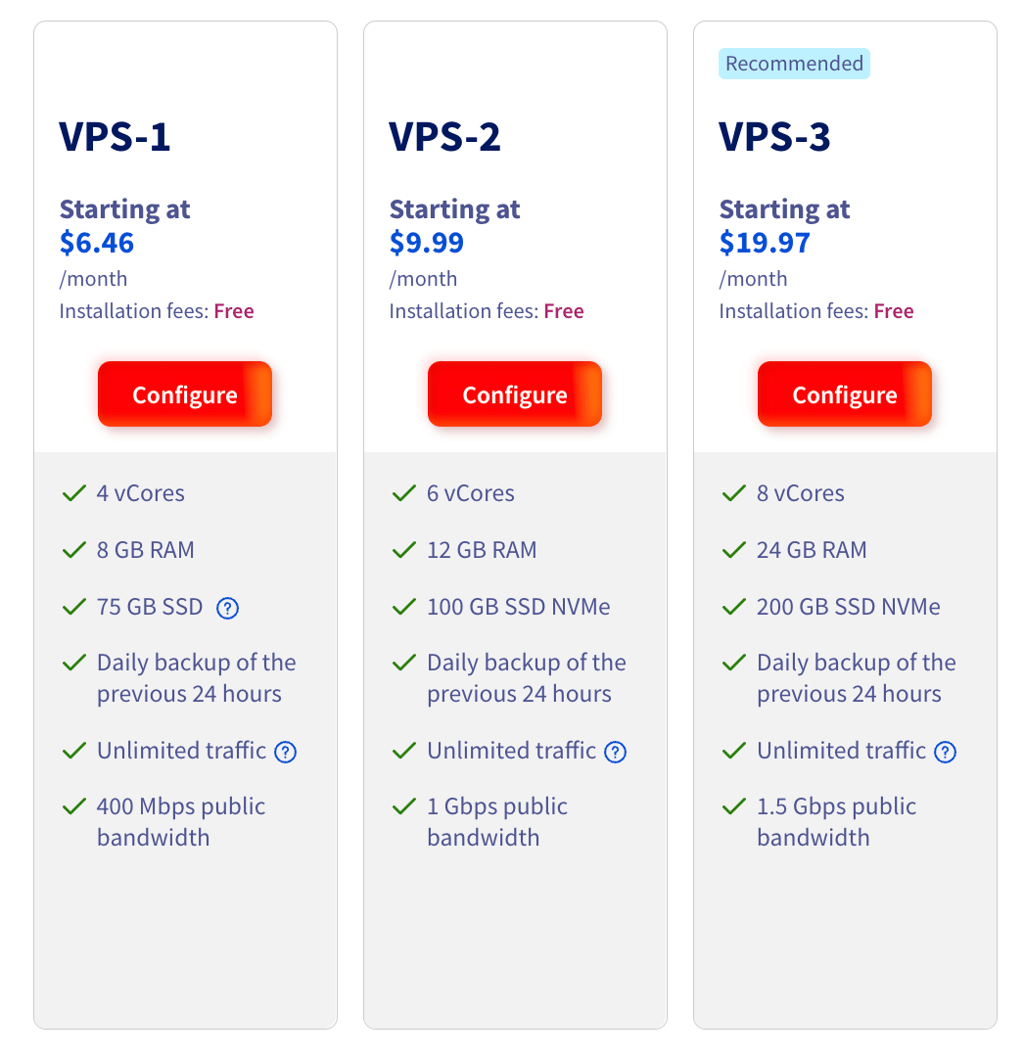
Success in Asia Virtual Solutions Hosting Plan often depends upon the capability to maintain high thread counts without crashing the operating system. In 2026, a lot of experts advise a minimum of 16GB of DDR5 RAM and a minimum of 8 virtual cores for a standard SER setup. High-speed NVMe storage has actually likewise ended up being obligatory. Considering that the software often composes to regional databases and log files, the IOPS (Input/Output Operations Per Second) provided by older SSD technology no longer is sufficient for high-speed link confirmation procedures.
Dedicated environments likewise enable better control over the Windows kernel settings. Operators can adjust how the OS handles network sockets and memory concern, which is impossible on a lot of shared platforms. When the environment is isolated, the danger of a system-wide crash due to resource exhaustion is significantly minimized, enabling the automation to run for weeks without manual intervention in the local market.
Windows Server 2026 Optimization for SEO Tools
The 2026 edition of Windows Server includes several internal enhancements for handling high-frequency network requests. Nevertheless, out-of-the-box settings are rarely optimized for SEO automation. Among the initial steps taken by service technicians is the modification of the TCP/IP stack. By default, Windows restricts the number of ephemeral ports readily available for outbound connections. For a tool that opens countless connections per hour, these ports can be exhausted quickly, causing "socket errors" in GSA SER.
Customizing the MaxUserPort and TcpTimedWaitDelay settings in the Windows Pc registry is a typical practice. Decreasing the wait time for closed connections to be recycled permits the software to keep a higher volume of successful requests. Moreover, disabling unneeded background services like Windows Update or telemetry components frees up valuable CPU cycles. In an environment dedicated to SEO management, every portion of CPU power rerouted to the main job results in faster link indexing and greater success rates.
Security Protocols for Remote SEO Management
Handling remote servers introduces security dangers, specifically when the server consists of sensitive API secrets, proxy credentials, and backlink data. In 2026, basic password authentication for Remote Desktop Procedure (RDP) is thought about insufficient. Brute-force attacks on RDP ports are constant, and a breach might result in the loss of months of work or the theft of pricey proxy subscriptions. Hardening the environment is a required action before starting any projects.
Implementing IP whitelisting is the most efficient way to protect a remote Windows instance. By setting up the server firewall program to only accept RDP connections from specific, known IP addresses, the attack surface area is essentially gotten rid of. For those who travel or have vibrant IPs, utilizing a personal VPN gateway to access the server includes a layer of encryption and identity confirmation. Numerous experts in Asia Virtual Solutions Hosting Plan have actually embraced multi-factor authentication (MFA) for server logins to prevent unapproved access even if qualifications are compromised.
Seclusion extends to the software level. Running SEO tools within a sandbox or a different user account can avoid prospective exploits in the software from impacting the whole system. While GSA SER is a popular and trusted application, the websites it connects with may not be. Preserving a sturdy firewall software that restricts outgoing traffic to important ports (like 80, 443, and particular proxy ports) helps avoid the server from being used in unexpected methods if a script or a website interaction goes wrong.
Enhancing GSA SER for Optimum Thread Performance
GSA SER is a powerhouse, but its performance is greatly tied to the quality of the proxies and the speed of the underlying hardware. In 2026, the focus has moved from amount to quality. Running 500 threads on a low-end VPS will result in more mistakes than successes. Running those same 500 threads on a dedicated Windows environment with enhanced network settings permits for a high throughput of verified links. The secret is finding the "sweet area" where the CPU use stays below 70% to avoid latency in reaction handling.
- Proxy Combination: Using high-speed personal proxies is non-negotiable. Public proxies in 2026 are almost immediately blacklisted by major search engines and CDN service providers.
- Thread Management: Changing the thread count based on the existing CPU load helps keep stability. The majority of modern-day setups in the surrounding area use dynamic thread adjustment tools.
- Captcha Fixing: Remote environments need to be linked to high-speed OCR or API-based captcha solvers to prevent bottlenecks in the submission process.
- Indexing Solutions: Effectively sending effective submissions to an indexer guarantees that the work translates into actual ranking movements.
Another frequently overlooked aspect is the "search engine" settings within the software application. In 2026, lots of operators disable heavy online search engine like Google for the preliminary scraping phase, rather using smaller, less safeguarded engines to find targets. This decreases the stress on proxies and enables the Windows environment to process more data in less time. As soon as a target list is built, the server can focus entirely on the submission and confirmation phases.
Database Upkeep and Data Stability
Long-term SEO jobs create huge amounts of data. GSA SER produces extensive lists of determined, submitted, and verified URLs. With time, these databases can grow to a number of gigabytes, which can slow down the software's UI and increase the time it takes to begin or stop tasks. Routine maintenance of these files is a vital part of managing a remote environment in 2026. This consists of archiving old projects and utilizing the built-in "tidy up" tools to remove dead links from the history.
Automated backups are a basic part of the 2026 workflow. Using cloud-based storage to sync the "Information" folder of the SEO tools ensures that even if the server hardware fails, the years of gathered "validated" lists are safe. Lots of operators established an arranged task in Windows to compress and publish these files during low-traffic hours. This level of redundancy is what separates expert link home builders from enthusiasts in the industry.
Keeping track of the health of the Windows environment is likewise vital. Tools that track CPU temperature, RAM use, and disk health provide early indication of possible concerns. If the server starts to throttle efficiency due to heat or disk fragmentation, it is much better to resolve it proactively than to wait on a system crash during a critical campaign. Utilizing the built-in Resource Display in Windows supplies an in-depth take a look at which procedures are taking in the most bandwidth or disk cycles, enabling exact troubleshooting.
Connectivity and Latency in 2026
Latency is the quiet killer of SEO automation. When GSA SER tries to publish to a site, the time it considers the demand to travel from the server to the target site and back matters. High latency causes timeouts and failed submissions. This is why the physical area of the data center is a strategic choice. Servers located in significant web hubs usually offer better connectivity to the international web. In 2026, 10Gbps uplinks have ended up being more common for devoted SEO servers, offering more than sufficient headroom for even the most aggressive campaigns.
The relationship between the server and the proxy provider is equally important. If the proxies are located in a various country than the server, every request needs to take a trip an extra distance, increasing the chance of a timeout. Matching the server's place with the proxy's place is a basic however effective method to improve the success rate of automated submissions. This attention to detail in the network setup is a hallmark of successful remote SEO management in the modern-day era.
As the year 2026 continues to press the boundaries of what is possible with automation, the worth of a safe, dedicated Windows environment becomes clearer. By focusing on hardware isolation, network optimization, and stringent security protocols, operators can ensure that their tools perform at peak performance. This technical foundation enables more focus on strategy and less time invested fixing technical failures, providing a clear course to ranking success in a progressively competitive digital field.